
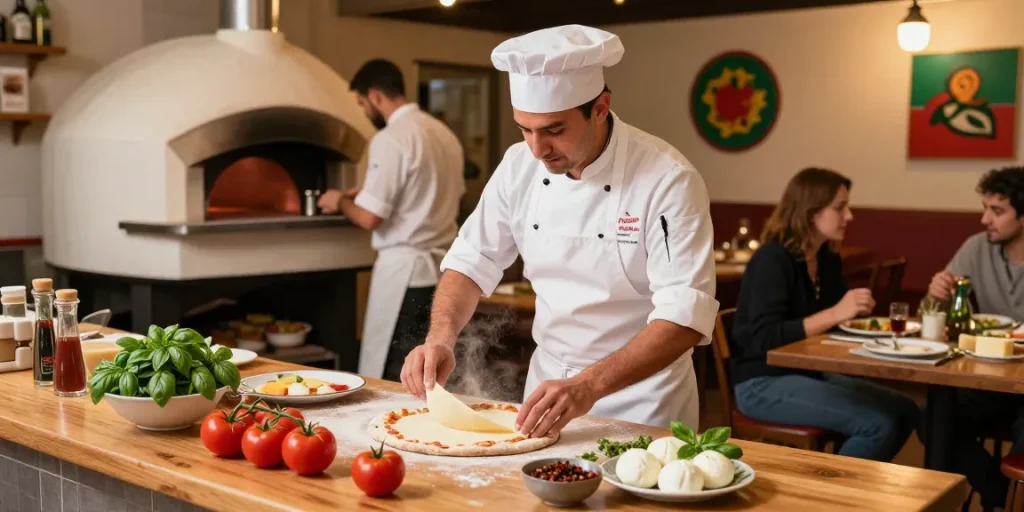
The Rise of Authentic Italian Cuisine: Trends for 2026
As we delve into the culinary landscape of 2026, Italian cuisine remains a perennial favorite among food enthusiasts around the globe. Authentic Italian dishes, particularly pizza and pasta, are not just meals; they are experiences that capture the essence of Italy’s rich cultural heritage. With the increasing consumer demand for genuine culinary experiences, restaurants like Pizzeria Madera are at the forefront, showcasing traditional recipes and high-quality ingredients. When exploring options, pg soft provides comprehensive insights into how to elevate your dining experience through authentic Italian cuisine.
Understanding the Authenticity of Italian Pizza
Pizza, one of Italy’s most iconic dishes, has seen an evolution in preparation techniques and ingredient selection over the years. Authentic Italian pizza is distinguished not just by its thin crust and simplicity but also by the quality of its toppings. Neapolitan pizza, recognized by its soft, chewy crust, is traditionally topped with San Marzano tomatoes, fresh basil, and mozzarella di bufala. The rise of artisan pizzerias has pushed culinary boundaries, allowing chefs to experiment while still respecting traditional methods.
Key Ingredients that Define Genuine Italian Dishes
- Tomatoes: The heart of many Italian dishes; San Marzano tomatoes are prized for their sweet flavor and low acidity.
- Cheese: Authentic Italian cheese such as mozzarella, parmesan, and pecorino contributes to the distinctive taste of each dish.
- Olive Oil: Extra virgin olive oil is a staple in Italian cooking, adding depth and flavor to salads, pasta, and pizzas.
- Herbs: Fresh basil, oregano, and parsley are essential for enhancing the flavors of Italian dishes.
Italian cuisine emphasizes the use of fresh, high-quality ingredients, which not only enhances flavor but also aligns with the contemporary trend towards organic and locally sourced food.
Innovative Techniques in Italian Food Preparation
While tradition plays an integral role in Italian cooking, innovative techniques are becoming increasingly popular among chefs seeking to modernize classic recipes. Techniques such as sous-vide cooking and fermentation are gaining traction. These methods allow for greater precision in texture and flavor, leading to dishes that are both authentic and novel.
Modern Approaches to Traditional Pizza Making
Modern pizzerias are revisiting traditional methods while incorporating contemporary technology. Wood-fired ovens, which impart unique flavors to the pizza, are combined with precision temperature controls to ensure optimal cooking conditions. The emphasis is on creating a perfect balance between crispiness and chewiness, which is paramount for an authentic Italian pizza.
Utilizing Organic and Local Ingredients
As diners become more health-conscious, the sourcing of organic and local ingredients has taken center stage. Many Italian restaurants are adopting farm-to-table practices, ensuring that their guests enjoy fresh produce that supports local economies. This not only enhances the flavor of dishes but also provides diners with the peace of mind that their food is nutritious and environmentally friendly.
Cooking Methods That Enhance Flavor Profiles
Innovative cooking methods are reshaping how Italian chefs create flavor. Techniques such as slow cooking, brining, and smoking add complexity to traditional recipes, appealing to a broader audience. Integrating international flavors while maintaining Italian culinary principles allows for creativity that can attract both traditionalists and adventurous eaters alike.
Consumer Preferences: What Diners Desire in 2026
Understanding consumer preferences is essential for any restaurant aiming to thrive in the competitive Italian dining scene. The modern diner is not just looking for a meal; they seek an experience that aligns with their values and lifestyle.
Trends in Health-Conscious Eating with Italian Cuisine
Health-conscious eating continues to influence menu designs. Diners are gravitating toward dishes that offer healthier options without compromising flavor. This includes alternatives for pasta, such as zoodles (zucchini noodles) or whole grain varieties, and lighter sauces that still celebrate Italian flavors.
Importance of Sustainability in Food Choices
Sustainability is paramount for today’s consumers. Italian restaurants are increasingly prioritizing environmentally friendly practices, from sourcing ingredients to minimizing food waste. The use of biodegradable packaging and eco-friendly practices in the restaurant reduces the ecological footprint.
Role of Dietary Restrictions in Menu Development
With more diners seeking gluten-free, vegan, and vegetarian options, Italian restaurants are adapting their menus to cater to these dietary restrictions. Creative interpretations of traditional dishes ensure that everyone, regardless of dietary needs, can enjoy authentic Italian cuisine.
Marketing Strategies for Italian Restaurants
In a saturated market, effective marketing strategies are crucial for attracting and retaining customers. Italian restaurants must leverage modern marketing tools to resonate with food enthusiasts.
Leveraging Social Media to Reach Food Enthusiasts
Social media platforms have become vital in shaping dining decisions. Restaurants are utilizing visually appealing content to showcase their dishes, engage their audience, and foster a community around their brand. Instagram, in particular, serves as a powerful tool for sharing stunning food photography that highlights the beauty of Italian cuisine.
Effective Branding Techniques in the Italian Restaurant Sector
Branding is essential for distinguishing an Italian restaurant in a crowded marketplace. A strong identity that reflects the restaurant’s ethos and mission can captivate potential diners. This includes consistent messaging, logo design, and the ambiance within the restaurant.
Building a Community Around Authentic Cuisine
Engaging with the local community through events, cooking classes, and collaborations with local businesses helps build a loyal customer base. By positioning themselves as not just a restaurant but a community hub for Italian culture, these establishments can garner lasting patronage.
Future Outlook for Italian Dining Experiences
The future of Italian dining is bright, with trends evolving to meet contemporary needs while honoring tradition. As we advance towards 2026 and beyond, several factors are set to shape the future of this culinary sector.
Predictions for Italian Cuisine Trends Beyond 2026
We expect an increase in fusion cuisine, as chefs blend Italian techniques with international flavors. This interplay will foster innovation while still paying homage to traditional dishes. Additionally, the demand for authentic experiences will continue to grow, encouraging restaurants to enhance their offerings with storytelling elements that inform diners about the origins of their meals.
Adapting to Technological Advances in the Restaurant Industry
Technology is revolutionizing how restaurants operate. Reservation systems, mobile ordering, and digital payments are just a few advancements that improve customer service and operational efficiency. As technology progresses, restaurants that adapt will likely see greater customer satisfaction and loyalty.
Customer Engagement Strategies to Foster Loyalty
Building customer loyalty goes beyond offering great food; it’s about creating memorable experiences. Implementing customer loyalty programs, soliciting feedback, and continuously improving the dining experience are strategies that can retain customers and encourage repeat visits.
What makes pg soft unique in Italian cooking?
The innovative approach of utilizing pg soft ingredients in Italian cooking allows chefs to create dishes that resonate with authenticity while appealing to modern palates. These ingredients elevate traditional recipes, making them exciting and relevant for today’s consumers.
How can restaurants enhance their menu with pg soft ingredients?
Restaurants can enhance their menu by experimenting with pg soft ingredients, such as alternative pasta options, unique sauces, and innovative toppings. This not only caters to health-conscious diners but also sets the restaurant apart by showcasing creativity.
What are the challenges faced by Italian restaurants today?
Italian restaurants today face several challenges, including sourcing quality ingredients, adapting to consumer preferences, and maintaining authenticity in a fast-paced culinary landscape. Balancing tradition with innovation is crucial for success.
How is sustainability impacting Italian cuisine?
Sustainability is reshaping Italian cuisine by driving restaurants to adopt eco-friendly practices, focus on local sourcing, and minimize waste. This shift not only appeals to environmentally conscious diners but also ensures the longevity of food sources for future generations.
What trends will shape the future of Italian dining?
Future trends in Italian dining will likely include an increased emphasis on plant-based options, continued innovation in cooking techniques, and a prioritization of customer experience through personalized service and engagement strategies.